
Seattle Mold Removal

Seattle Mold Removal

Mold removal & remediation in Seattle

Visible growth needs a moisture plan and a defined removal scope. Prepare the room history before arranging an assessment.

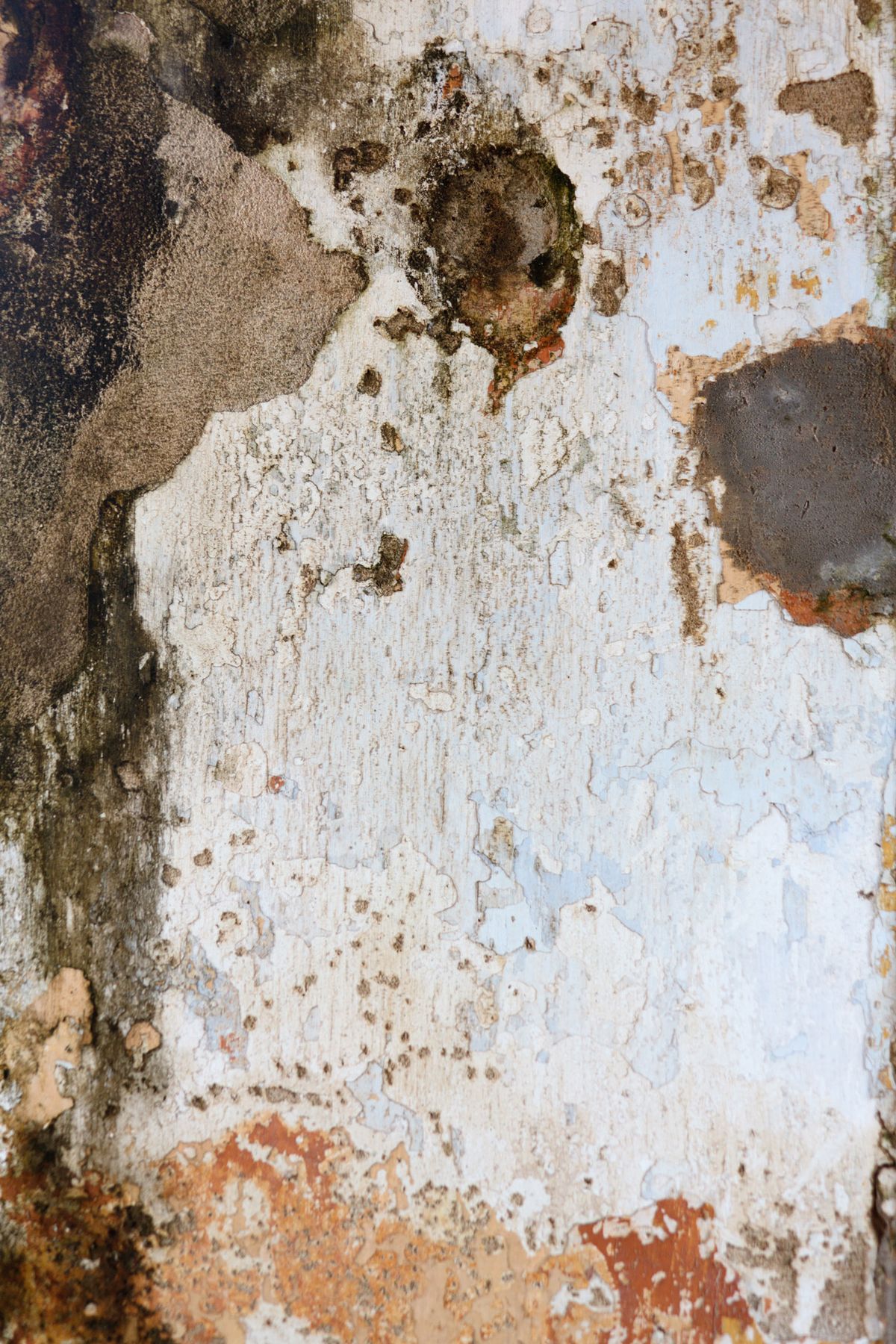
Visible discoloration and deteriorated wall finish

Start with the water history

Record when you first noticed discoloration, odor or dampness and whether there was a leak, overflow or condensation. A photograph cannot establish the type of mold, the full extent of concealed damage or a health diagnosis. Avoid disturbing suspect material just to see what is behind it. Give the business your address, affected rooms and water history so it can confirm the appropriate next step.

Separate assessment from removal

Ask who evaluates the moisture source and extent of affected material, who specifies the work and who performs removal. Check applicable Washington contractor registration and insurance in L&I’s official Verify tool rather than relying on a badge on a website. Ask which assessment qualifications and methods apply to the proposed work. If assessment or clearance is proposed, ask about the relationship between the assessor and remediator and how the scope will be documented.

Compare the written work boundaries

A useful proposal describes affected rooms, materials, containment approach, protection of unaffected spaces and waste handling. It should distinguish cleaning retained surfaces from removal of damaged porous material and later rebuilding. Ask what will be opened, how changes are approved and which conditions might require a revised scope. Air movement and equipment should follow the chosen work plan rather than simply pushing odor to another room.

Know what completion means

Ask which observations or checks establish that the planned work is complete, how drying is documented and who assesses any remaining moisture issue. Cosmetic repainting alone does not explain why material became damp. Keep photographs, reports and the written scope together. Timing and price depend on extent, access, material condition and the business; this website cannot promise a response time or a result.

Keep material work and source repairs visible

A drying-equipment photograph illustrates one possible moisture-control step. Ask what measurements, source repairs and retained-material decisions accompany equipment use; equipment alone does not establish completion.
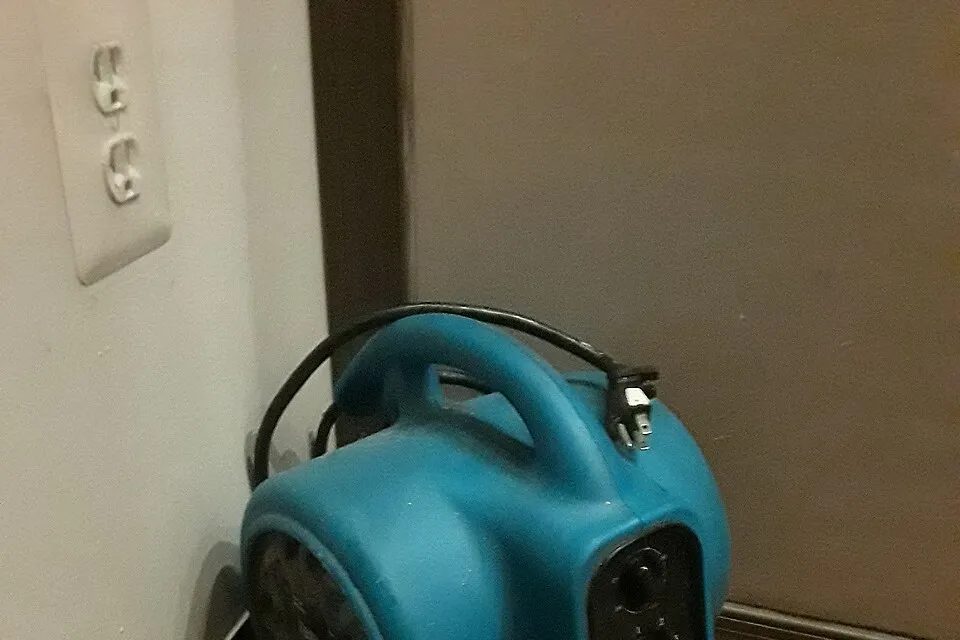
Portable air mover beside an interior wall

Ask before arranging work

  • Who evaluates the moisture source and who performs the agreed work?
  • Which materials and rooms are included or excluded?
  • What visit or assessment charges apply?
  • Which completion records will I receive?

Three questions for a complete plan

01

Why did it become damp?

Record the leak, water intrusion or condensation history. The moisture source needs its own answer.

02

Which materials need work?

Ask how the affected extent, retained surfaces and removal scope will be defined.

03

What proves the agreed work is complete?

Clarify the records, checks and responsibilities before rebuilding.

Prepare the call

Use the first-steps guide for safe observations and estimate comparison for written scope questions.

Official resources

Resources provide general preparation and official contacts. They do not establish provider coverage or endorsement.

Seattle, Washington map

Use this map to orient your location. Prepare the full property address, entrance and access instructions. The map does not identify an office or establish provider availability.

Open Seattle, Washington in Google Maps ↗

Questions before the first call

Can a photograph identify the mold?

A photograph can show an observed condition. It cannot establish the species, hidden extent, health significance or correct work method.

Does removal also fix the leak?

Ask which source repairs are included. Plumbing, roof, ventilation and rebuilding work may have separate scopes and responsibilities.

What happens when I call?

Describe your address, affected rooms and moisture history. The business accepting the inquiry confirms job fit, availability, assessment charges and its proposed next step. The business performing work supplies its own credentials and contract.

Do I need testing?

Ask what specific question testing would answer and who evaluates the result. Testing does not replace a moisture-source investigation or define every removal decision.

Let’s talk about the problem

Need mold removal help in Seattle?

Call with your address and observations. Ask about the assessment, repair options and price before arranging work.

Call about mold(833) 628-1561

Confirm service at your address and any visit or assessment charge.

Explore mold removal help in your community

SeattleKing County communities

Seattle Public Utilities publishes drainage and sewer guidance for city properties. Rainwater entry, an indoor supply leak and a sewer backup require different source investigations. A Seattle postal label alone does not establish that a property is inside city limits or served by the same utility. Seattle’s drainage and sewer guidance is a public-system resource. Inside a condo, the location of a ceiling stain does not decide whether the source is an upstairs fixture, shared plumbing or rain entry, or who owns the repair. Example: a resident sees a ceiling stain while another unit reports a slow drain. Give building management the units, observations and times. Ask the responding professionals to distinguish plumbing or public-system investigation from moisture assessment, and keep common-area authorization separate from the resident’s indoor drying scope. For mold concerns, retain the leak or drainage report separately from the indoor assessment. Ask whether the moisture source is controlled before removal or rebuilding.

Call about your mold problem (833) 628-1561

Confirm your full street address, requested mold removal work and current appointment availability. A listed community does not guarantee every-address coverage.

Open in Google MapsRead the Seattle guide
KentKing County communities

Kent’s drainage page separates public maintenance concerns from private-property drainage and provides its KentWorks reporting route. A report about a blocked public drain is different from an agreement for water removal or reconstruction inside a house. Kent drainage guidance distinguishes public maintenance concerns and private drainage. Establish whether the observed problem is in the public right of way or on the property before treating a report as permission for private repair. Example: a curbside drain appears blocked and water has reached a garage. Record the curb location for the city reporting route without entering the road or opening the drain. For the restoration agreement, identify wet garage materials and ask whether private drainage repair, extraction and rebuilding are separate line items. For mold concerns, retain the leak or drainage report separately from the indoor assessment. Ask whether the moisture source is controlled before removal or rebuilding.

Call about your mold problem (833) 628-1561

Confirm your full street address, requested mold removal work and current appointment availability. A listed community does not guarantee every-address coverage.

Open in Google MapsRead the Kent guide
RentonKing County communities

Renton lists surface water engineering separately from other utility systems. Its surface water program manages storm and surface water to reduce flooding and protect waterways. Confirm whether an issue concerns public drainage, a private pipe or water already inside the property. Renton lists surface-water engineering separately within its utility systems. In a shared building, distinguish an outdoor utility concern from a private plumbing issue and from authorization to remove or dry materials in individual units. Example: a property manager receives a report of outside pooling and a resident reports ceiling moisture. Create separate records for the public-system observation and the unit symptom. Give the assessor the affected unit and rooms, and ask who authorizes source investigation, common-area work and each indoor restoration scope. For mold concerns, retain the leak or drainage report separately from the indoor assessment. Ask whether the moisture source is controlled before removal or rebuilding.

Call about your mold problem (833) 628-1561

Confirm your full street address, requested mold removal work and current appointment availability. A listed community does not guarantee every-address coverage.

Open in Google MapsRead the Renton guide
ShorelineKing County communities

Shoreline’s Surface Water Utility addresses runoff, drainage and flooding concerns. Outdoor runoff and indoor plumbing water can look similar once they reach flooring. Preserve the observed entry location and timing so the appropriate authority or professional can investigate the source. Shoreline’s Surface Water Utility addresses rainwater drainage and flooding; its guidance explains that runoff can pick up pollution from hard surfaces. A wet indoor floor still needs its own source and material assessment. Example: water crosses pavement outside while a lower-level carpet is wet. Preserve the outdoor location for a Surface Water Utility inquiry and tell the assessor exactly where indoor moisture was found. Ask about contamination assessment and carpet or underlay handling rather than treating clear-looking runoff as a clean supply leak. For mold concerns, retain the leak or drainage report separately from the indoor assessment. Ask whether the moisture source is controlled before removal or rebuilding.

Call about your mold problem (833) 628-1561

Confirm your full street address, requested mold removal work and current appointment availability. A listed community does not guarantee every-address coverage.

Open in Google MapsRead the Shoreline guide
BurienKing County communities

Burien Public Works operates the city’s transportation and stormwater facilities. An outdoor drainage report and an indoor restoration assessment can therefore require separate conversations. Check the exact property jurisdiction and utility information before choosing a contact. Burien Public Works covers city transportation and stormwater facilities. A concern involving a public drain belongs in that public-system conversation; drying flooring inside the home requires a separate assessment and agreement. Example: water collects near a street drain while a doorway rug becomes wet. Report the public location to Burien Public Works and preserve the report reference. Tell the restoration business where moisture has reached indoors, and ask who will investigate the doorway entry path rather than assuming a cleared street drain completes the repair. For mold concerns, retain the leak or drainage report separately from the indoor assessment. Ask whether the moisture source is controlled before removal or rebuilding.

Call about your mold problem (833) 628-1561

Confirm your full street address, requested mold removal work and current appointment availability. A listed community does not guarantee every-address coverage.

Open in Google MapsRead the Burien guide
Des MoinesKing County communities

Des Moines explains that rainfall and snowmelt runoff can move from roofs and paved surfaces through drains toward local waterways. That runoff can carry pollutants. Water that reaches a building from outside needs a different safety and cleanup discussion than a known clean indoor supply leak. Des Moines surface-water guidance distinguishes runoff from an indoor supply leak. For restoration planning, a roof-edge observation, an exterior threshold and a backed-up fixture are different clues; none alone establishes contamination or who must repair the source. Example: you notice water at an exterior door after rain, but the nearby sink is also backing up. Tell the assessor both observations and their sequence rather than calling the event clean rainwater. Confirm the responsible public contact for any outside drainage concern, while the indoor assessor determines material handling and cleanup scope. For mold concerns, retain the leak or drainage report separately from the indoor assessment. Ask whether the moisture source is controlled before removal or rebuilding.

Call about your mold problem (833) 628-1561

Confirm your full street address, requested mold removal work and current appointment availability. A listed community does not guarantee every-address coverage.

Open in Google MapsRead the Des Moines guide
SeaTacKing County communities

A SeaTac property should be identified by its actual street address and jurisdiction even when its mailing address uses Seattle. King County’s regional stormwater guidance explains drainage reporting for unincorporated areas; confirm the relevant city or utility before using that route. The linked King County guidance covers drainage reporting in unincorporated areas. A SeaTac mailing or property address needs a jurisdiction check; do not assume the county route handles an issue within an incorporated city. Example: water reaches a rental entry during rain. Confirm the actual property jurisdiction and responsible drainage contact for the outdoor concern. For indoor work, give the business the affected rooms and an authorized owner or manager contact, and ask separately about entry-source investigation and damaged-material drying. For mold concerns, retain the leak or drainage report separately from the indoor assessment. Ask whether the moisture source is controlled before removal or rebuilding.

Call about your mold problem (833) 628-1561

Confirm your full street address, requested mold removal work and current appointment availability. A listed community does not guarantee every-address coverage.

Open in Google MapsRead the SeaTac guide
KenmoreKing County communities

Kenmore identifies Swamp Creek as its largest watershed. Watershed context can help orient an outdoor drainage discussion, but it does not establish the source of water inside a particular home. Confirm the property’s actual location and the utility responsible for any public-system concern. Kenmore identifies Swamp Creek in its watershed information. Use that context to orient a drainage inquiry, not to label every wet floor as creek flooding; an address-specific source investigation is still needed. Example: after rain, water appears beside a laundry-room wall. Tell the assessor whether you observed outside pooling, an appliance leak or neither. Ask for an indoor moisture assessment and separate source investigation; mention Swamp Creek only if the actual outdoor location is relevant to the authority handling the report. For mold concerns, retain the leak or drainage report separately from the indoor assessment. Ask whether the moisture source is controlled before removal or rebuilding.

Call about your mold problem (833) 628-1561

Confirm your full street address, requested mold removal work and current appointment availability. A listed community does not guarantee every-address coverage.

Open in Google MapsRead the Kenmore guide
TukwilaKing County communities

Tukwila Community Development handles planning, environmental sustainability and code enforcement. If restoration expands into alteration or rebuilding, verify the applicable city requirements and the party responsible for permits. An extraction agreement does not itself authorize reconstruction. Tukwila Community Development provides the city context for building and code questions. A limited extraction or drying agreement does not determine whether later alterations need permits or who will obtain them. Example: drying reveals damaged wall material in a commercial space. Record the proposed removal and restoration scope, identify who can authorize a change, and ask who will confirm applicable Tukwila permit requirements. Keep source repair and any public-system report separate from the decision to rebuild. For mold concerns, retain the leak or drainage report separately from the indoor assessment. Ask whether the moisture source is controlled before removal or rebuilding.

Call about your mold problem (833) 628-1561

Confirm your full street address, requested mold removal work and current appointment availability. A listed community does not guarantee every-address coverage.

Open in Google MapsRead the Tukwila guide
Bryn Mawr-SkywayKing County communities

For a Bryn Mawr-Skyway address, identify the actual jurisdiction and drainage authority rather than relying on a Seattle postal label. King County accepts drainage and flooding reports for unincorporated areas. The authority handling outdoor runoff may differ from the business drying the interior. The county reporting route is for unincorporated drainage concerns, not an indoor repair authorization. In Bryn Mawr-Skyway, an observed outside flow path is useful evidence, but it does not establish which pipe, drain or property caused the damage. Example: a lower-level room is wet after rain and you can see water outside the wall from a safe position. Record these as two observations with times. Confirm the jurisdiction for an outdoor drainage report, then ask the restoration assessor to identify affected wall and floor materials without assuming the outside water is the proven source. For mold concerns, retain the leak or drainage report separately from the indoor assessment. Ask whether the moisture source is controlled before removal or rebuilding.

Call about your mold problem (833) 628-1561

Confirm your full street address, requested mold removal work and current appointment availability. A listed community does not guarantee every-address coverage.

Open in Google MapsRead the Bryn Mawr-Skyway guide
White CenterKing County communities

King County identifies its White Center drainage improvement project as work in unincorporated King County just south of Seattle. Public catch basins collect runoff into storm drains; that public drainage function is separate from cleanup within a home. King County’s White Center project describes catch basins and public drainage improvements in unincorporated King County. Nearby work does not establish why a particular room became wet or whether private damage has been corrected. Example: a resident sees water by a sidewalk and later finds wet flooring at home. Report the specific public location and timing to the responsible authority without attributing it to the project. Give the restoration assessor the indoor discovery time and affected materials, and request a separate finding on the entry source. For mold concerns, retain the leak or drainage report separately from the indoor assessment. Ask whether the moisture source is controlled before removal or rebuilding.

Call about your mold problem (833) 628-1561

Confirm your full street address, requested mold removal work and current appointment availability. A listed community does not guarantee every-address coverage.

Open in Google MapsRead the White Center guide
Lake Forest ParkKing County communities

Lake Forest Park publishes a Stormwater Management Action Plan focused on runoff and receiving waters. This city-level planning information helps identify the public drainage context; it cannot diagnose water entry at an individual property. Lake Forest Park’s stormwater plan addresses runoff and receiving-water pollution. That public planning context does not establish a private home’s water source or tell a contractor when its walls are dry. Example: a lower-level wall is damp after rain but no entry point is visible. Record the room and timing for an assessment. Ask who investigates drainage or envelope entry and what readings will support drying completion; keep any city drainage inquiry separate from the indoor material and monitoring record. For mold concerns, retain the leak or drainage report separately from the indoor assessment. Ask whether the moisture source is controlled before removal or rebuilding.

Call about your mold problem (833) 628-1561

Confirm your full street address, requested mold removal work and current appointment availability. A listed community does not guarantee every-address coverage.

Open in Google MapsRead the Lake Forest Park guide
Normandy ParkKing County communities

Normandy Park describes a drainage system of catch basins, conveyance lines, open ditches and creek basins. Its guidance also distinguishes private stormwater-facility responsibilities. Establish which system is involved before treating an outdoor drainage issue as an indoor restoration problem. Normandy Park describes catch basins, conveyance lines and open ditches as parts of its stormwater system. A private drainage feature and a public facility can require different maintenance contacts, while indoor cleanup remains its own scope. Example: you observe water near a ditch and a wet exterior threshold. Describe the specific location to the appropriate public contact without deciding ownership from appearance. Ask the business to record the indoor affected materials and name the party investigating private drainage, so the drying agreement does not silently promise source repair. For mold concerns, retain the leak or drainage report separately from the indoor assessment. Ask whether the moisture source is controlled before removal or rebuilding.

Call about your mold problem (833) 628-1561

Confirm your full street address, requested mold removal work and current appointment availability. A listed community does not guarantee every-address coverage.

Open in Google MapsRead the Normandy Park guide
Boulevard ParkKing County communities

A Seattle mailing address can obscure the agency responsible for drainage near a Boulevard Park property. King County provides a reporting route for drainage and flooding in unincorporated areas. Confirm municipal boundaries before reporting a public-system concern. King County limits its drainage-problem reporting route to unincorporated areas. For a Boulevard Park address, establish the property jurisdiction before selecting that public contact; the indoor restoration scope remains a separate decision. Example: you observe runoff crossing a walkway and water at an exterior threshold. Give the confirmed jurisdiction and outdoor location to the responsible drainage authority. Give the restoration business the wet room, flooring type and discovery time; ask whether source correction is included before agreeing to drying. For mold concerns, retain the leak or drainage report separately from the indoor assessment. Ask whether the moisture source is controlled before removal or rebuilding.

Call about your mold problem (833) 628-1561

Confirm your full street address, requested mold removal work and current appointment availability. A listed community does not guarantee every-address coverage.

Open in Google MapsRead the Boulevard Park guide
Call about mold(833) 628-1561